
JavaScript Community and Ecosystem
Dive into the vibrant JavaScript community and ecosystem to accelerate your coding journey and stay ahead of the curve. Whether you’re exploring the latest frameworks, libraries, and cutting-edge tools that shape modern web development, or seeking wisdom from top JavaScript experts and influencers, this hub is your launchpad. Discover actionable insights from global conferences and events to keep your skills sharp, unlock career paths and job opportunities, and get hands-on with the open source community—where contributions, collaboration, and real-world projects fuel rapid growth. Perfect for beginners and intermediate learners at LearnJavaScriptQuickly, this section bridges theory and practice, helping you learn faster, network smarter, and build with confidence.
 The Open Source JavaScript Community - Projects and Contributions
 Finding JavaScript Jobs and Career Paths
 JavaScript Conferences and Events - Staying Up-to-Date
 Learning from JavaScript Experts and Influencers
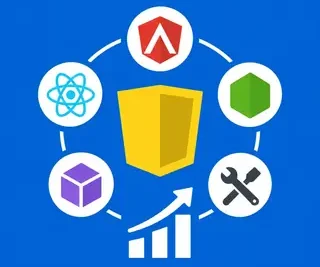 Trends in the JavaScript Ecosystem - Frameworks, Libraries, and Tools
JavaScript Community and Ecosystem
Welcome to the JavaScript Community and Ecosystem hub on LearnJavaScriptQuickly! This is your gateway to understanding how the world’s most popular programming language lives, breathes, and evolves. Whether you’re a beginner wondering which framework to learn or a mid-level developer seeking career growth, this page curates essential knowledge about trends, experts, events, jobs, and open source. Stay ahead of the curve by exploring the vibrant ecosystem that powers millions of websites, apps, and servers. Dive into the subcategories below to transform your learning journey and connect with the global JavaScript tribe.
🔥 Trends in the JavaScript Ecosystem - Frameworks, Libraries, and Tools
This section keeps you updated on what’s hot and what’s fading in the JavaScript world. Expect breakdowns of emerging frameworks like React Server Components, the rise of Bun as a runtime, and the ongoing dominance of TypeScript. We also cover essential libraries such as Zustand for state management and tooling like Vite for faster builds. By tracking these trends, you’ll make smarter decisions about what to learn next and which tools to adopt for your projects. Don’t waste time on obsolete tech—stay current and build modern applications that employers demand.
🧠 Learning from JavaScript Experts and Influencers
Reading code is one thing, but learning from the minds who shape JavaScript is game-changing. In this subcategory, we introduce you to leading voices like Dan Abramov, Kyle Simpson, and Lydia Hallie, plus rising influencers on YouTube and X. You’ll find curated tutorials, blog posts, and podcast recommendations that break down complex topics like closures, event loops, and advanced patterns. We also explain how to filter signal from noise in a crowded space, so you can focus on high-quality content that actually accelerates your skills.
🎤 JavaScript Conferences and Events - Staying Up-to-Date
Conferences are where the community meets, ideas spark, and future trends get announced. Here, we highlight major events like JSConf, React Conf, and NodeConf, along with smaller regional meetups. We offer tips on how to attend virtually or in person, what sessions to prioritize for beginners, and how to network effectively. Even if you can’t travel, we guide you to free livestreams, talk recordings, and summaries, ensuring you never miss a crucial announcement about new features or best practices from the ecosystem.
💼 Finding JavaScript Jobs and Career Paths
Ready to turn your JavaScript skills into income? This subcategory maps out career paths from frontend developer to full-stack engineer, plus niche roles like WebAssembly specialist or DevTools engineer. We cover how to build a portfolio that showcases real projects, how to ace technical interviews with common algorithm challenges, and how to negotiate salaries. You’ll also learn about remote-first companies, freelance platforms, and community job boards—giving you a clear roadmap from learning to earning in the JavaScript ecosystem.
🌍 The Open Source JavaScript Community - Projects and Contributions
Open source is the beating heart of JavaScript—almost every tool you use is community-driven. Here, you’ll discover how to start contributing to projects like React, Node.js, or smaller libraries that welcome first-timers. We explain how to read issue trackers, submit pull requests, and communicate with maintainers effectively. Participating in open source not only improves your coding skills but also boosts your resume and builds your network. We also highlight beginner-friendly repositories with “good first issue” labels, so your contribution journey can begin today.
Frequently Asked Questions
What is the best JavaScript framework for beginners in 2025?
For sheer simplicity, Vue has a gentle learning curve, while React offers the largest job market. Start with vanilla JavaScript to build a solid base, then experiment with React because its component model is widely used. Use the ecosystem trends section to see which frameworks are growing, but don’t overthink—pick one and build projects.
How can I stay updated on JavaScript trends without being overwhelmed?
Subscribe to just two or three quality newsletters like JavaScript Weekly and follow core maintainers on X. Set aside 15 minutes daily to skim headlines, and rely on conference talk summarizations from our events subcategory. Avoid “news overload” by focusing only on tools you actively use or plan to learn next.
Do I need to attend conferences to get a JavaScript job?
No, but they help. Many hirers value skills over physical attendance. However, conferences offer networking, exposure to company recruiters, and workshops that fast-track learning. If you can’t go, watch keynotes online and engage on social media with speakers—this still puts you on the radar without travel costs.
What’s the quickest way to make my first open source contribution?
Pick a repository with a “good first issue” tag, like freeCodeCamp or 500lines. Read the CONTRIBUTING.md file, clone the repo, and fix a documentation typo or simple bug. Then submit a pull request with a clear description. Many maintainers are friendly and will guide you—your first merge is often faster than you expect.
Can I learn JavaScript completely without a formal CS degree?
Absolutely. The ecosystem rewards practical skills and portfolios over degrees. Use our step-by-step tutorials, build projects like a to-do app or an API client, and contribute to open source. Most employers in the JavaScript world care more about your code on GitHub and problem-solving ability than credentials.