
DigitalOcean vs. Linode for JavaScript Backend: Choosing the Right Server
🤔 Choosing a JavaScript backend server? This comparison of DigitalOcean and Linode helps beginners and intermediates decide which platform best suits their…
Read article

Looking to take your JavaScript projects from your local machine to the live web? 🌐 JavaScript hosting and deployment is the crucial final step that turns your code into a fully accessible application. Whether you’re a beginner exploring your first deployment or an intermediate developer aiming to optimize hosting costs and streamline workflows, this category is your go-to guide. We break down the best hosting platforms—from traditional VPS setups to modern serverless deployment options—with clear, step-by-step tutorials that demystify the process. Discover how to choose the right environment for your needs, avoid common pitfalls, and deploy faster with confidence. 🚀 With a focus on practical, quick wins, you’ll learn to balance performance, scalability, and budget, ensuring your JS apps run smoothly for every user. Start here to master the art of getting your code live, efficiently and effectively!
🤔 Choosing a JavaScript backend server? This comparison of DigitalOcean and Linode helps beginners and intermediates decide which platform best suits their…
Read article
😊 Deploying your first JavaScript app can be daunting, but this beginner-friendly guide simplifies the process, walking you through each step to…
Read article
🤔 Choosing between Firebase and Heroku for your JavaScript app? This in-depth analysis clarifies their key differences, helping you select the best…
Read article
😊 Master deploying your JavaScript code with this beginner-friendly guide. Learn the simple steps to get your projects online, from local testing…
Read article
😊 Deploying your JavaScript application doesn't have to be hard! Learn the simplest methods to get your project online quickly and easily,…
Read article
😊 Master full-stack JavaScript development! This tutorial guides you through deploying a serverless JavaScript application, seamlessly integrating frontend and backend for a…
Read article
😊 Learn how to optimize JavaScript performance with Gzip compression! This tutorial shows you how to dramatically reduce bandwidth usage and improve…
Read articleChoosing the right hosting and deployment strategy is critical for your JavaScript applications, whether you’re launching a simple static site or a complex serverless API. This category helps learners and developers transition from local coding to live production, covering cost optimization, beginner-friendly deployment guides, serverless architecture, and platform comparisons. We focus on practical, actionable steps to get your code online quickly and efficiently.
Learn how to minimize monthly expenses without sacrificing performance. Explore strategies like using static hosting for frontend-only apps, scaling down resources during low traffic, and leveraging free tiers from providers like Netlify, Vercel, or Cloudflare Pages. We break down hidden costs such as bandwidth overages, database connections, and build minutes, helping you budget accurately. Key factors include choosing between shared, VPS, and serverless plans, plus tips on caching and CDN usage to reduce server load. Expect practical checklists and real-world pricing examples tailored for indie developers and small startups.
This subcategory is your friendly walkthrough from “it works on my machine” to a live URL. You’ll learn how to prepare your project for production—setting environment variables, building static assets, and configuring routing for SPAs. We cover deployment to popular platforms like GitHub Pages, Netlify, and Vercel using both drag-and-drop and CLI methods. No prior DevOps experience required; we explain concepts like continuous deployment via Git, custom domains, and SSL certificates in plain language. By the end, you’ll have confidence deploying both frontend and simple Node.js backends.
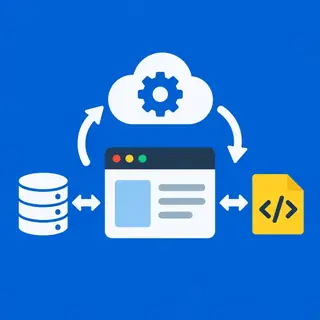
Dive into the world of serverless—where you write code without managing servers. Explore AWS Lambda, Google Cloud Functions, and Azure Functions, but also simpler alternatives like Vercel Functions and Netlify Edge Functions. We explain how serverless scales automatically, charges only for execution time, and fits perfectly with JavaScript’s event-driven nature. Ideal for APIs, webhooks, and database triggers, serverless removes infrastructure headaches. Expect tutorials on deploying a basic HTTP handler, integrating with a frontend, and managing cold starts and timeouts effectively. This section also compares serverless vs. containers for long-running processes.
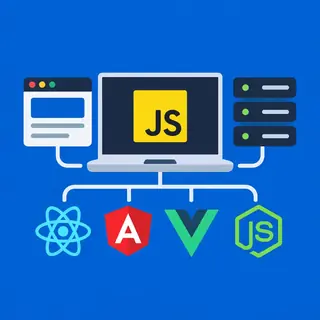
We pit major platforms against each other to help you decide where to host your project. Compare Vercel vs. Netlify for frontend-heavy apps, Heroku vs. Railway for full-stack Node.js, and Cloudflare Pages vs. GitHub Pages for static sites. Each head-to-head reviews pricing, build speed, global CDN performance, and ease of use. We also discuss hidden limitations like cold start latency or restrictive free tiers. Whether you prioritize first load speed, developer experience, or scalability, this subcategory provides side-by-side feature tables and real-world latency tests. Make an informed choice based on your project’s specific needs.
For a purely static JavaScript site (no server-side code), use free tiers from Netlify, Vercel, or Cloudflare Pages. These services offer generous bandwidth and SSL certificates at no cost, and you only pay if you exceed limits or need advanced features like password protection. Deploying via GitHub is free, making this the most budget-friendly option.
Not always. If your app only consists of HTML, CSS, and client-side JavaScript (like React or Vue), static hosting works fine. If you have a Node.js backend, you’ll need a server, but serverless platforms can host your API on demand without a persistent server, often at lower cost for low traffic.
With modern platforms like Netlify or Vercel, the first deployment takes under 10 minutes—including connecting your GitHub repo and setting up automatic builds. If you use a drag-and-drop upload, it’s less than a minute. The learning curve is mainly around configuring environment variables and custom domains.
Hosting refers to the infrastructure that serves your files (e.g., a server or CDN). Deployment is the process of getting your code from a local environment or repository to that hosting infrastructure. In practice, you deploy your app to a host, but many tools combine both—like pushing to GitHub which triggers a build on Vercel.
Serverless is not ideal for persistent WebSocket connections, which typically require a long-running server. For real-time features, consider alternatives like Firebase or Socket.io on a traditional VPS. However, you can use serverless for individual HTTP endpoints that trigger database updates, alongside a managed service for WebSockets.